
What Is an ADU? The Complete Guide for California Homeowners
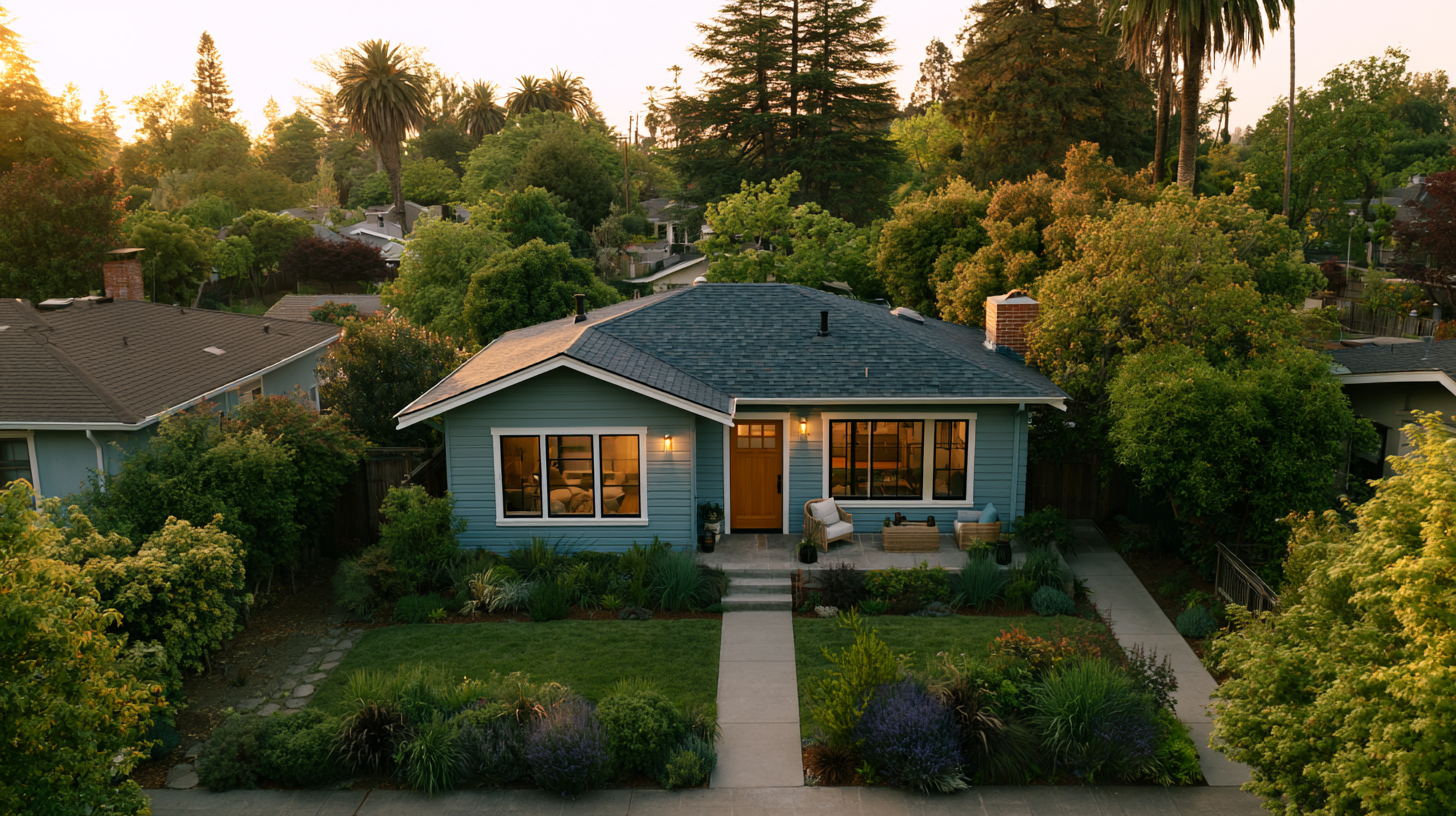
Quick Answer: An ADU (Accessory Dwelling Unit) is a second, self-contained living space on a property that already has a primary home. In California, ADUs are legal in every single-family and most multi-family zones — and since 2020, the state has made them significantly easier and faster to build.
If you own a home in California and you've been wondering whether you can build a second unit on your property — for rental income, a family member, or a long-term investment — the answer is almost certainly yes. Here's what you need to know.
What Does ADU Actually Mean?
ADU stands for Accessory Dwelling Unit. It's a secondary housing unit that sits on the same lot as an existing home. You may hear them called granny flats, in-law units, backyard homes, or secondary suites — same thing, different names.
The key criteria: an ADU must have its own entrance, kitchen, sleeping area, and bathroom. It has to function as a fully independent living space.
The Main Types of ADUs in California
Detached ADU
A standalone structure built in the backyard, separate from the main house. This is the most common type DevCo builds in the East Bay. It gives the most privacy for both the homeowner and the ADU occupant and tends to command the highest rental rates.
Attached ADU
An addition built onto the side or rear of the existing home, sharing at least one wall. Less lot space required than a detached unit. Usually costs less to build because it ties into existing utilities more easily.
Garage Conversion ADU (JADU or Standard)
Converting an attached or detached garage into a living space. This is one of the fastest and most cost-effective ADU paths because the structure already exists. California has specific rules that make garage conversions particularly accessible — see the full garage conversion guide for details.
Junior ADU (JADU)
A JADU is a smaller ADU (up to 500 sq ft) carved out of the existing home's footprint — typically a converted bedroom or interior garage with its own entrance. JADUs can share a bathroom with the main house. They're the most affordable ADU option and require fewer permits.
Why California Changed Its ADU Laws
California has a serious housing shortage. Starting in 2017 and accelerating through 2020 and 2021, the state passed a series of bills that removed most local barriers to ADU construction. What that means for you:
- Cities and counties can no longer block ADUs that meet state minimums
- Setback rules were relaxed (often just 4 feet from rear and side property lines)
- Impact fees for ADUs under 750 sq ft are banned
- Owner-occupancy requirements were suspended through 2025
- Permits must be approved within 60 days
The result: ADU construction in California shot up over 500% from 2018 to 2022. The process is still bureaucratic, but it's genuinely more accessible than it was five years ago.
What Can You Use an ADU For?
The most common uses in the Bay Area:
- Long-term rental income — a 1BR ADU in Oakland or Berkeley rents for $1,800 to $2,800/month
- Housing an aging parent or adult child — the original "granny flat" use case
- Short-term rental (Airbnb) — check local rules, as some cities restrict this
- Home office or studio with separate entry
- Increasing property value before a sale
How Much Does an ADU Cost to Build in California?
Bay Area ADU costs run higher than the state average. A detached ADU in Contra Costa County typically runs $200,000 to $400,000+ depending on size and finishes. Garage conversions are significantly less — often $80,000 to $150,000. See the full California ADU cost guide for a detailed breakdown by type.
Do You Need a Permit to Build an ADU in California?
Yes. Every ADU requires permits — building, electrical, plumbing at minimum. The good news: California now requires local agencies to approve or deny ADU permits within 60 days, and many jurisdictions have pre-approved plan sets that speed up the process significantly. See the full ADU permit guide for what to expect in Contra Costa County.
Is There Financial Help Available?
Yes. The CalHFA ADU Grant Program offers up to $40,000 in pre-development cost assistance for income-eligible homeowners. DevCo is an approved contractor for the CalHFA program. See the full ADU grant guide to find out if you qualify.
Frequently Asked Questions
Q: What is the difference between an ADU and a JADU?
An ADU is a fully independent unit — its own kitchen, bathroom, and entrance. A JADU (Junior ADU) is smaller (max 500 sq ft), carved out of the main home's existing footprint, and can share a bathroom with the primary residence. JADUs cost less and have a simpler permitting path but are limited in size.
Q: How big can an ADU be in California?
State law allows detached ADUs up to 1,200 sq ft. Attached ADUs can be up to 50% of the existing home's square footage. JADUs are capped at 500 sq ft. Local jurisdictions can allow larger units but can't require smaller ones than what state law permits.
Q: Can I rent out my ADU in California?
Yes. You can rent it long-term. Short-term rental rules vary by city — Oakland, Berkeley, and other East Bay cities have different regulations. Check your city's short-term rental ordinance before listing on Airbnb.
Q: How long does it take to build an ADU in California?
From initial design to move-in, expect 9 to 18 months for a new detached ADU. Garage conversions can move faster — sometimes 6 to 10 months. Permitting is often the longest variable. DevCo handles all permit applications, which removes one of the biggest sources of delay.
Q: Do I need to live on the property to build an ADU?
Owner-occupancy requirements were suspended by California state law through 2025. As of now, you don't need to live in the main home to build or rent an ADU. Check for any updates after 2025 as the legislature may revisit this.